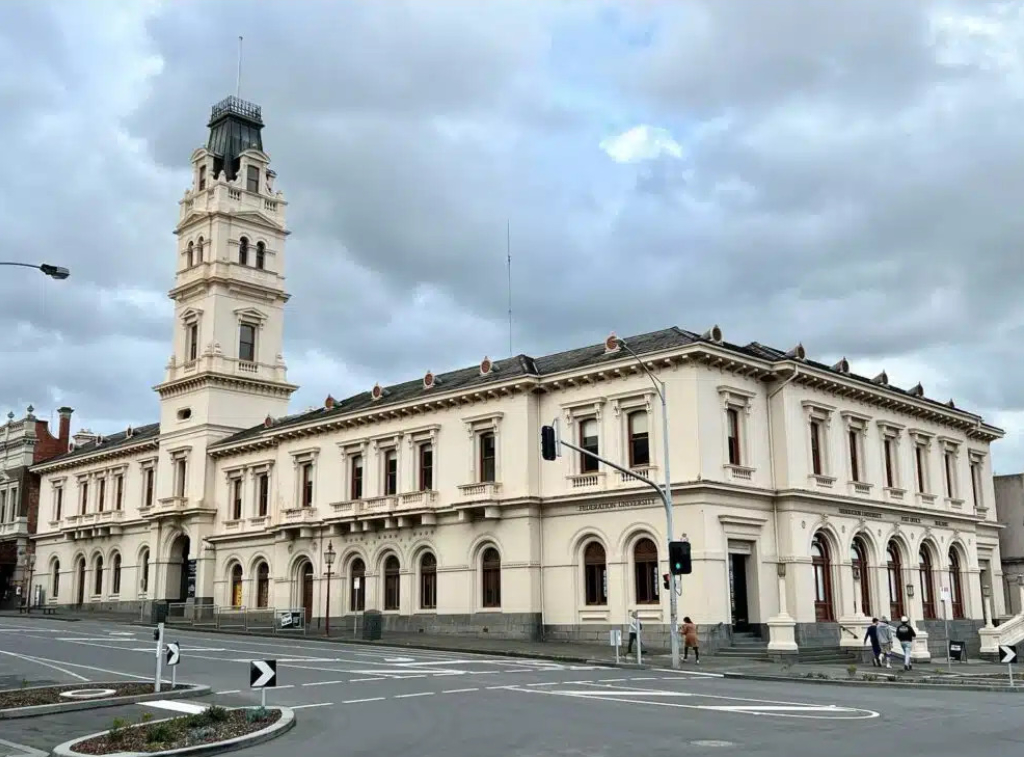
The Federation represents practitioners across more than thirty traditional skilled trades. From master craftspeople to emerging apprentices, these trades preserve techniques, knowledge, and cultural traditions passed down through generations. Each one carries centuries of accumulated knowledge — and each one is worth preserving for the future.
Explore the diverse range of traditional skilled trades represented by the FHT, and discover the crafts, techniques, and generations of knowledge behind each one. Browse by trade to learn about the people, practices, and heritage that keep these skills alive for future generations.
The craft of shaping and laying stone for structural and decorative purposes. Heritage stonemasons work on everything from gothic cathedrals to colonial post offices, using techniques unchanged for centuries.
Traditional timber framing uses hand-cut joints and locally sourced timber to create structures of remarkable durability. Timber framers work on heritage buildings, restorations, and new builds in the vernacular tradition.
The art of shaping iron and steel by hand, using forge, hammer, and anvil. Heritage blacksmiths produce everything from architectural ironwork to hand-forged furniture fittings and decorative gates.
The application of gold leaf to surfaces — from carved timber frames to plaster ceilings and architectural details. Gilding requires exceptional patience and precision, and is critical to the restoration of heritage interiors.
Traditional bookbinding encompasses hand-sewn structures, leather covering, and decorative techniques including gold tooling and marbling. Heritage bookbinders restore rare volumes and produce bespoke hand-bound editions.
Working with lime-based plasters to create, repair, and restore decorative and structural plasterwork. Heritage plasterers are essential to any significant interior restoration — from Georgian ceiling roses to Art Deco cornices.
The forging and installation of decorative iron elements including balustrades, gates, and architectural details. With fewer than forty active practitioners in Australia, decorative ironwork is formally listed on the FHT Endangered Trades Register.
The cutting and leading of coloured or painted glass into decorative panels. Heritage leadlighters restore windows in churches, civic buildings, and heritage homes using traditional techniques and period-appropriate materials.
The craft of shaping, laying, and repairing roof tiles using traditional methods and materials. Heritage roof tilers work on historic homes, churches, and civic buildings, preserving distinctive roofing techniques and architectural character.
Trades at risk of being lost.
The FHT Endangered Trades Register formally identifies traditional crafts where the active practitioner community has fallen below a sustainable threshold. Currently listed trades include decorative ironwork, ornamental brickwork, traditional thatching, and ecclesiastical embroidery.
Endangered Trades Support & Preservation
Endangered trades: Identifies traditional crafts with critically low numbers of active practitioners.
Apprenticeship support: Encourages new practitioners through targeted training incentives.
Skills preservation: Documents and protects traditional techniques and specialist knowledge.